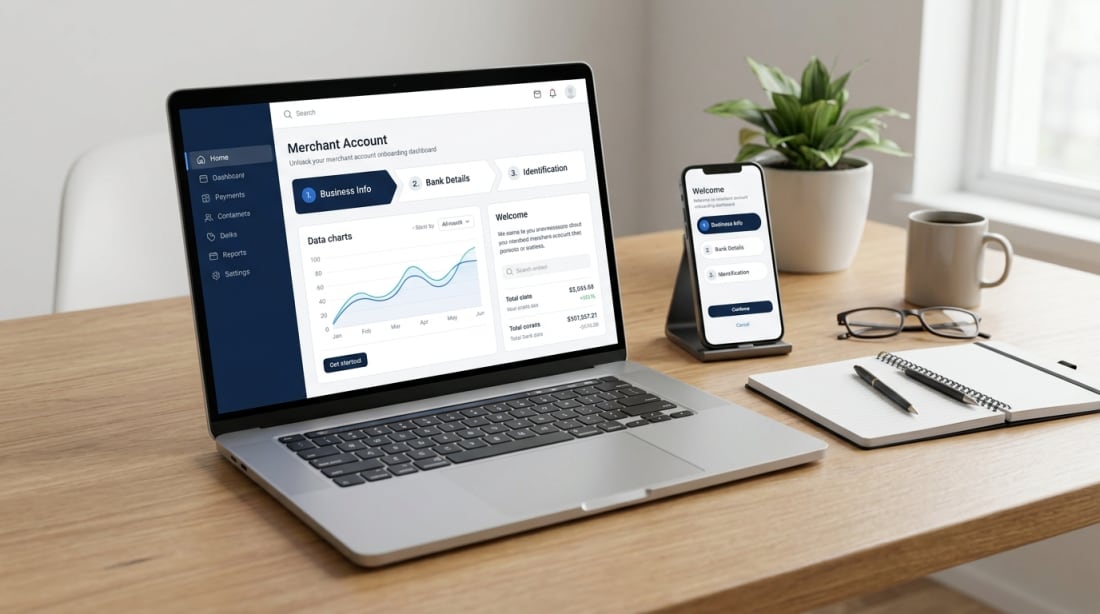
Choosing the right merchant account provider is an important decision for any business that accepts online payments. A reliable payment solution helps companies process transactions smoothly, build customer trust, and manage their finances more efficiently. However, with different providers offering various services, pricing structures, and payment features, comparing the available options carefully is essential before making a commitment.
Understand Your Business Payment Requirements
Before comparing providers, identify your business's specific payment needs. Consider the products or services you sell, your average transaction value, your expected monthly sales volume, and the countries where your customers live. A small online shop may need a straightforward payment solution, while an international e-commerce company may require support for multiple currencies and cross-border transactions.
It is also helpful to consider your business model. Subscription services, digital platforms, and companies selling physical products can have different payment processing requirements. Understanding these factors will make it easier to identify providers that can support your current operations and future growth.
Compare Available Services and Payment Features
Payment functionality should be one of the main considerations when evaluating merchant account providers. Look for solutions that support the payment methods your customers prefer and integrate smoothly with your existing website or online store.
Businesses operating internationally may benefit from multi-currency capabilities, cross-border payment support, and tools for managing transactions across different markets. Security features, transaction monitoring, and clear reporting tools are also important because they help businesses maintain accurate records and identify unusual activity.
When researching potential solutions, explore the services available through https://sharpay.net/merchant-accounts/ to understand how SharPay's merchant account offering may fit your online payment requirements. Review the available information carefully and consider whether the service aligns with your company's operational needs.
Examine Fees and Pricing Transparency
Payment processing costs can have a significant effect on profitability. Providers may charge transaction fees, monthly service fees, setup costs, currency conversion charges, or additional fees for particular services. These expenses can vary depending on the provider, transaction volume, payment methods, and business risk profile.
Do not compare providers based only on their advertised transaction rates. Instead, examine the complete pricing structure and ask for clarification about any charges that are not clearly explained. A solution with a slightly higher transaction fee may still offer better overall value if it includes useful features, dependable support, and fewer additional costs.
Requesting a detailed pricing breakdown can help you estimate your total payment processing expenses and avoid unexpected charges as your business grows.
Evaluate Security and Regulatory Compliance
Security is essential when handling online payments and sensitive customer information. A suitable provider should use appropriate safeguards to protect transactions and support compliance with relevant payment industry standards and applicable regulations.
Look for information about fraud prevention, transaction monitoring, data protection, and procedures for handling suspicious activity. You should also understand the provider's verification requirements and the documents needed to open and maintain an account.
For businesses serving customers across borders, regulatory considerations may differ between markets. Confirm that the provider's services and operating arrangements are appropriate for your business activities and intended jurisdictions.
Assess Customer Support and Integration
Technical problems and delayed transactions can disrupt daily operations. Before choosing a provider, investigate the available customer support channels, response times, and assistance offered during onboarding. Clear documentation and practical technical guidance can make implementation easier, particularly for businesses without dedicated development teams.
Integration is equally important. Check whether the payment solution works with your existing e-commerce platform, accounting software, or internal systems. A straightforward integration can reduce administrative work and help your team manage payments more efficiently.
Make a Decision Based on Long-Term Value
The best merchant account provider is not necessarily the cheapest option. It is the one that combines suitable payment features, transparent pricing, reliable support, appropriate security measures, and the flexibility to accommodate business growth.
Create a shortlist of potential providers and compare them using the same criteria. Ask questions about transaction limits, settlement timelines, supported currencies, and account requirements before making your final decision.
By taking a structured approach, businesses can choose a payment solution that supports smoother online transactions, improves operational efficiency, and provides a solid foundation for sustainable growth.
#MerchantAccount #PaymentCompliance